Download Center||
Rattan Guide

What Is Whitewashed Rattan? And How Well It Holds Up

September 9, 20264 Minutes
What Is Whitewashed Rattan? And How Well It Holds Up
Introduction

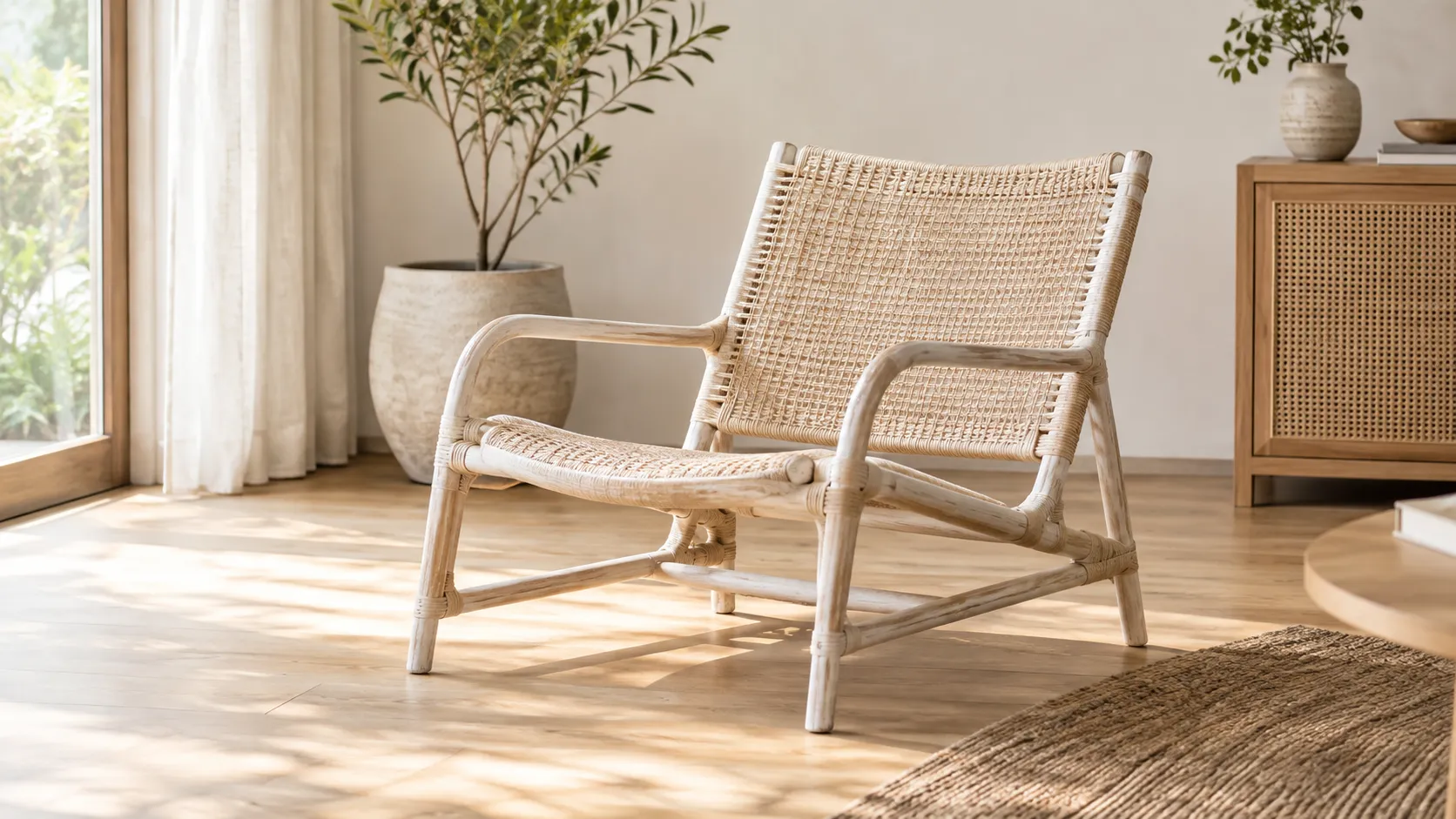
Whitewashed rattan is natural rattan finished with a thinned, translucent white coating rather than a solid coat of paint with purpose to lighten the material while letting its grain and weave still show through. It generally holds up fine indoors with normal care, though like any natural-rattan finish, it's more vulnerable outdoors, where prolonged sun and rain exposure can fade, crack, or discolor it faster than a sealed synthetic piece would.

What "Whitewashed" actually means

Whitewashing is a finishing technique applied to natural materials such as wood, bamboo, or cane rattan among them. It uses a light, thinned white coating to soften and brighten the surface. The result usually sits somewhere between raw rattan and a fully painted white piece, since the technique is deliberately kept translucent so the underlying texture and color of the rattan still shows through.

It's worth separating this from two things it's often confused with:

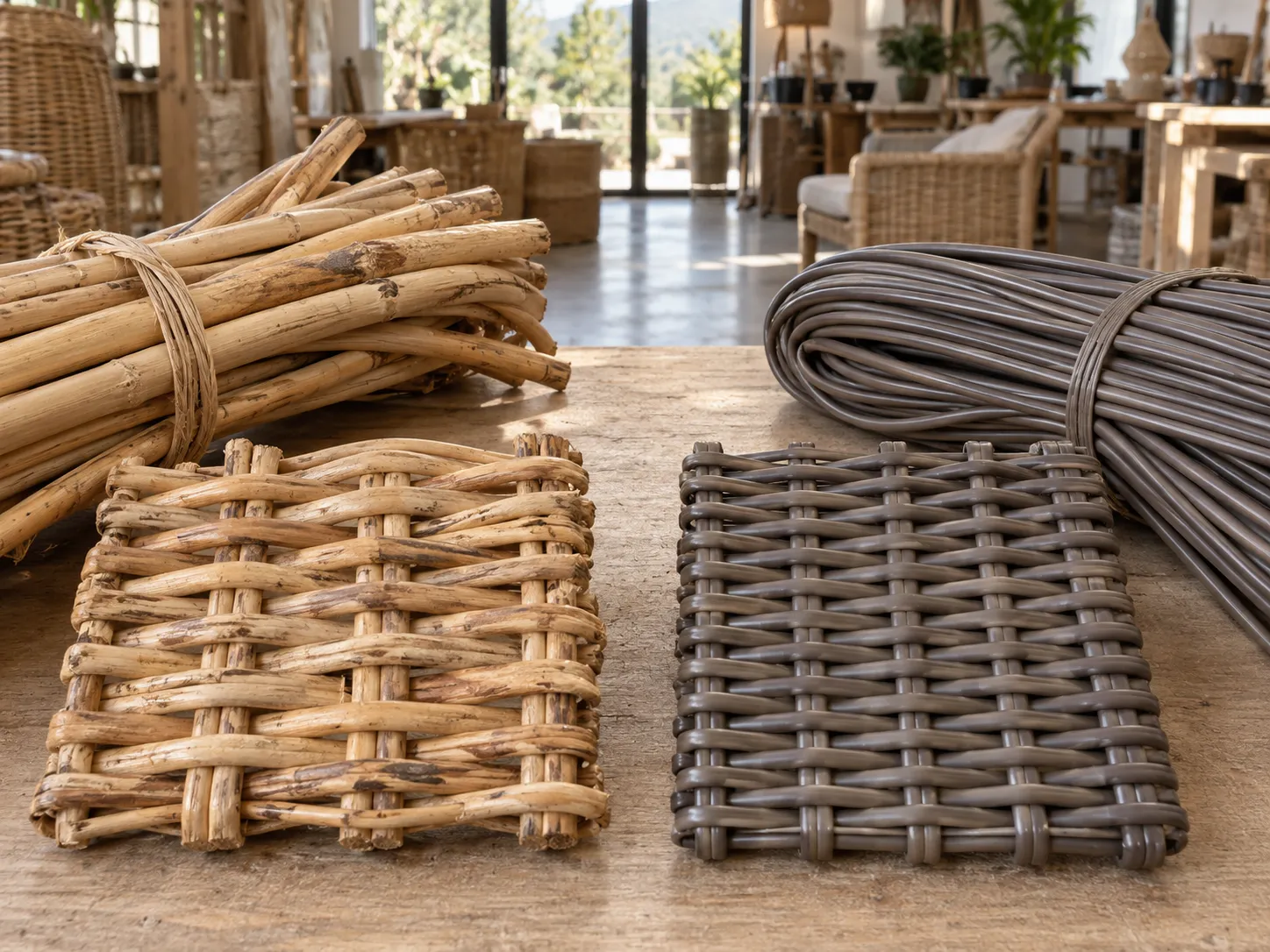
  • Painted rattan: applied at full opacity, so the natural grain and color variation are hidden entirely.

  • PE (polyethylene) rattan: a synthetic rattan alternative that's manufactured white or in other colors from the start, rather than natural rattan that's been treated afterward.

How the finish is applied

A white wash finish is created by applying a diluted white paint or stain over the rattan instead of covering it with an opaque coat. The goal is to soften the natural color while allowing the texture, grain, and woven details to remain visible, giving the furniture a lighter, more natural appearance. 

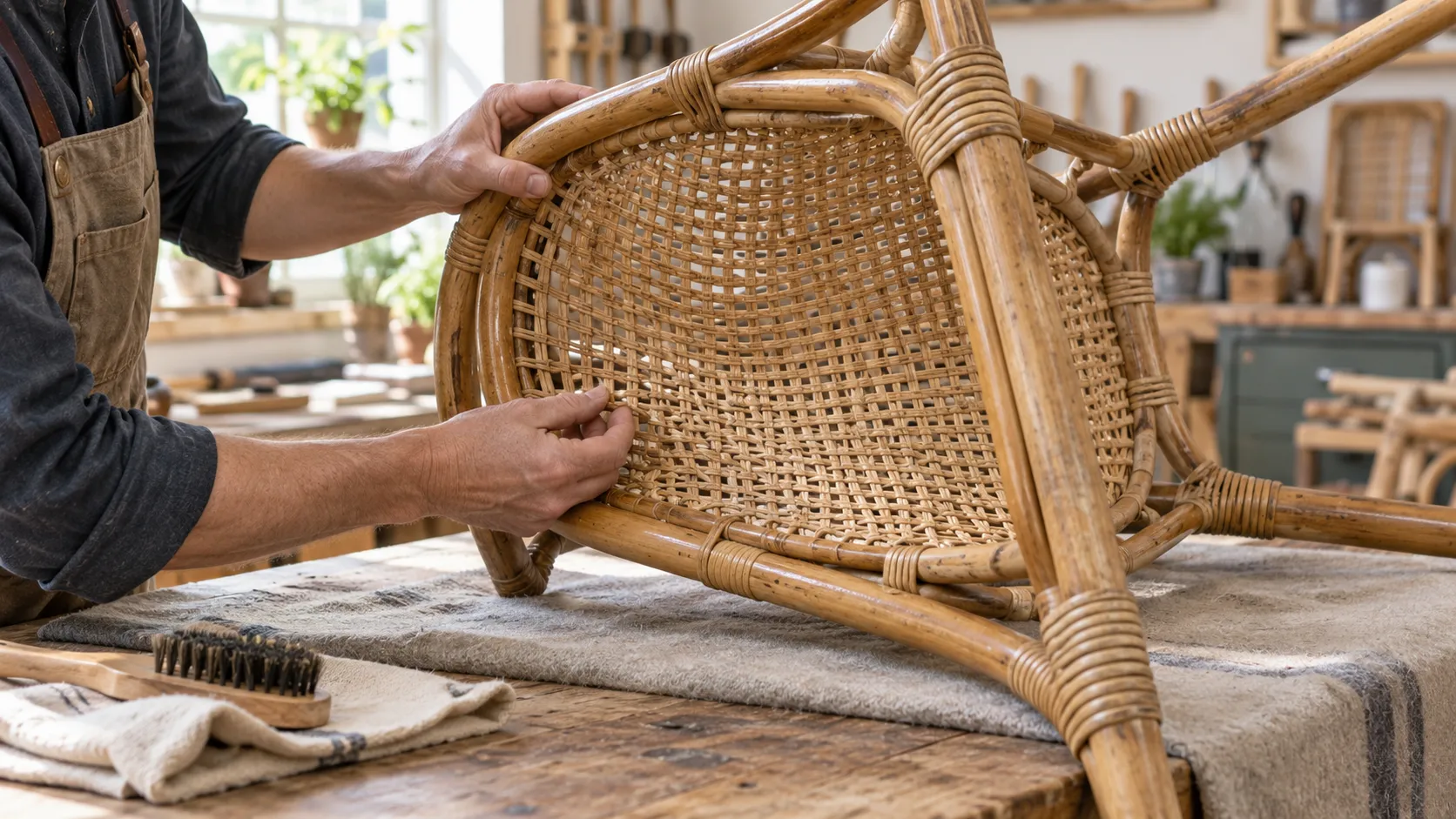
  • Prep: Furniture is typically cleaned first, and any existing varnish or lacquer removed if a fresh finish is being applied over old rattan.

  • Mixing the wash: A common approach is a roughly 1:1 ratio of white paint to water, with the exact ratio adjusted depending on how light or subtle the final look should be.

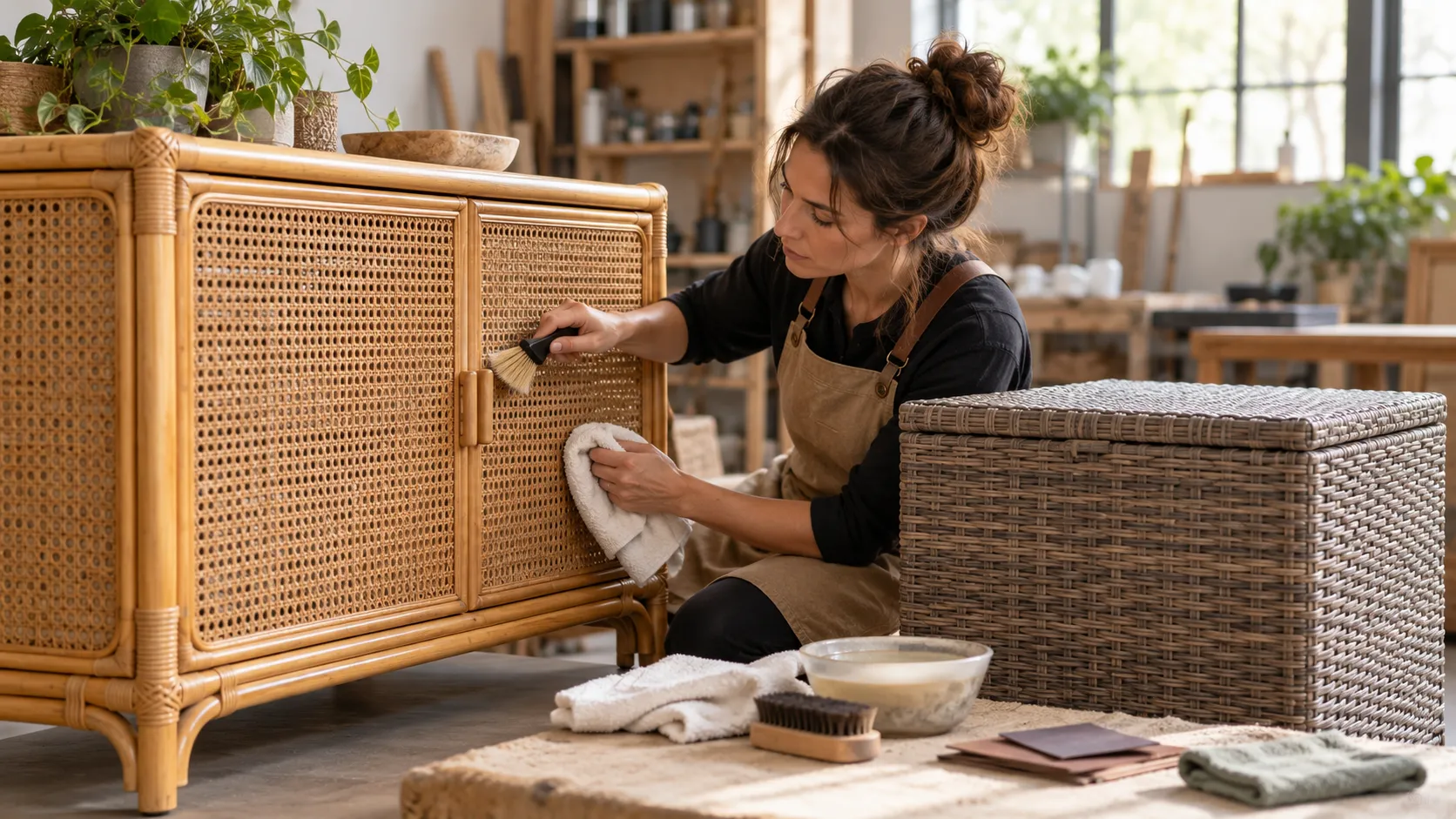
  • Application: The wash is brushed or sponged on, then often wiped back with a rag to control how much white sits in the grain versus on the raised surface, since real rattan doesn't have a single solid color, so leaving some of the original tone visible tends to look more natural than a flat, even coat.

  • Drying and sealing: The piece is left to air-dry fully in a well-ventilated space away from direct sun, since forcing the drying process with heat can cause the rattan to shrink or warp. A clear topcoat is then usually applied, which also adds a protective layer that helps the furniture last longer.


Conclusion

Whitewashed rattan is a finishing technique when a thinned white wash brushes onto natural rattan, then usually sealed rather than a separate material. It's a good fit for indoor furniture and covered outdoor spaces, where its main risks are the same ones natural rattan already has: sun fading and moisture damage. For year-round outdoor use, a white-finished PE (synthetic) rattan piece will hold up considerably better than whitewashed natural rattan, even though the two can look similar from a distance.


FAQ

Can whitewashed rattan go outside? Generally, no — not for full-time outdoor use, if it's natural rattan. Natural rattan is prone to mold, deformation, and cracking when exposed to sunlight and rain over the long term, and can't resist UV radiation or moisture the way synthetic PE rattan can. A whitewashed piece follows the same limits as any natural-rattan finish; the white coat doesn't add weather resistance on its own. Covered patios are a reasonable middle ground, since a patio or porch roof helps protect furniture from direct UV exposure and rain.

Will the white finish fade or yellow over time? It can, especially with sun exposure. Natural rattan more broadly is known to fade in color and become more brittle from UV exposure over time, and a whitewash coat sits on top of that same base material, so it's subject to the same sun sensitivity. Placement out of direct sunlight will generally slow this down, though results vary by paint type and topcoat used.

How long does whitewashed rattan furniture last? This depends more on the base rattan than the finish. Indoor natural rattan furniture is commonly estimated to last 10 to 15 years with proper care, or 5 to 10 years in less controlled conditions that assume normal indoor use rather than the added protective coats. A well-applied whitewash and topcoat may modestly extend surface life by shielding the fibers, but it doesn't change the underlying material's sensitivity to moisture and sun.

Can I whitewash existing rattan furniture myself, or should I hire someone? Simple refresh jobs are commonly done as DIY projects, but full refinishing, especially stripping old varnish or lacquer first is sometimes better left to a professional, while whitewashing older rattan can likely be done by a do-it-yourself (DIY), removing an existing lacquer finish beforehand can be a genuinely difficult job. If your piece has an intact factory finish, a light whitewash over a cleaned surface is a far easier project than stripping decades-old lacquer.

Does whitewashing work on synthetic (PE) rattan too? Not in the traditional sense. Because PE rattan is a molded plastic material rather than a porous natural fiber, a diluted paint wash won't absorb and highlight texture the way it does on real rattan. If you want a white synthetic-rattan look, it's more reliable to buy PE rattan furniture manufactured in white than to whitewash an existing synthetic piece.


Stay Inspired

Subcribe to our insight newsletter and be the first to receive the latest article and news updates form Tradeasia

Need help or product quote?👋 Chat with Assistant!