Download Center||
Rattan Guide

How to Fix a Sagging or Loose Rattan Chair Seat

September 21, 20263 Minutes
How to Fix a Sagging or Loose Rattan Chair Seat
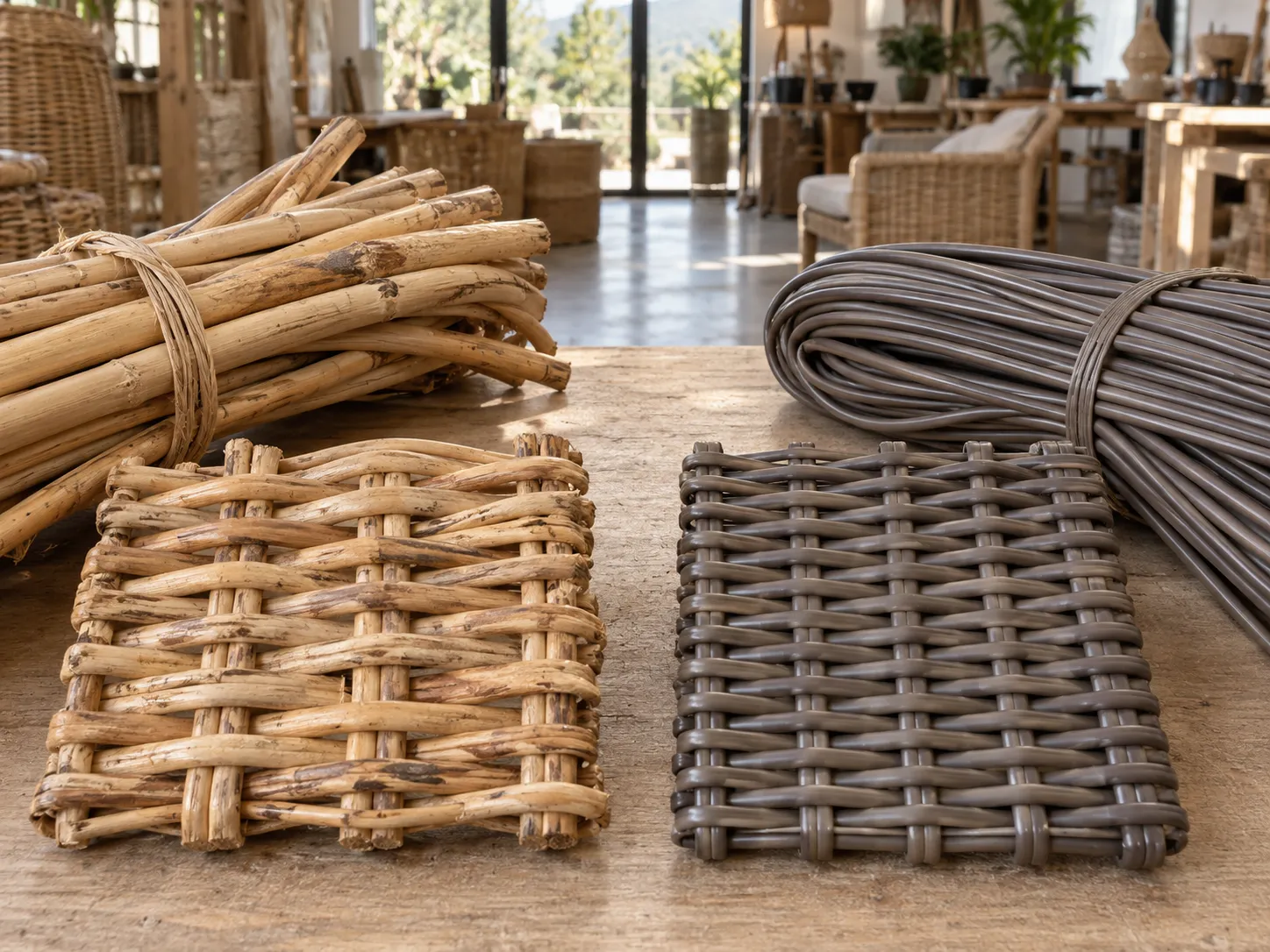
Identify Natural or Synthetic Rattan First

Natural rattan usually has visible fibers, subtle color variations, and a slightly textured surface. Synthetic rattan, including PE and HDPE wicker, generally looks and feels more uniform.

Appearance alone is not conclusive. Check the product specifications or ask the supplier if you are unsure, because the materials respond differently to moisture and heat.

How to Tighten a Natural Rattan Chair Seat

Controlled dampening may help tighten an intact natural cane seat with minor sagging. It will not repair broken strands or failing attachment points.

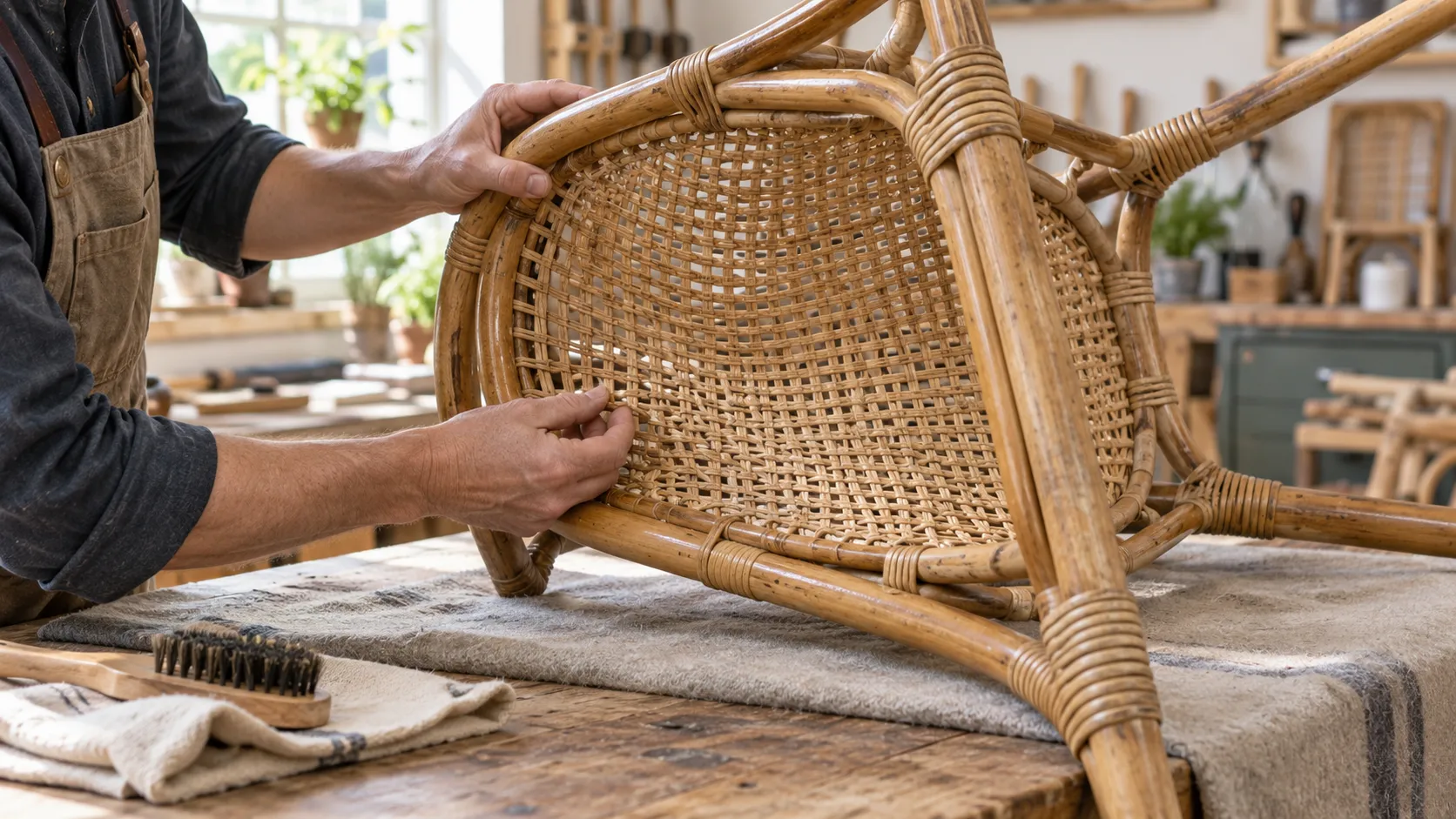
1. Clean and Inspect the Underside

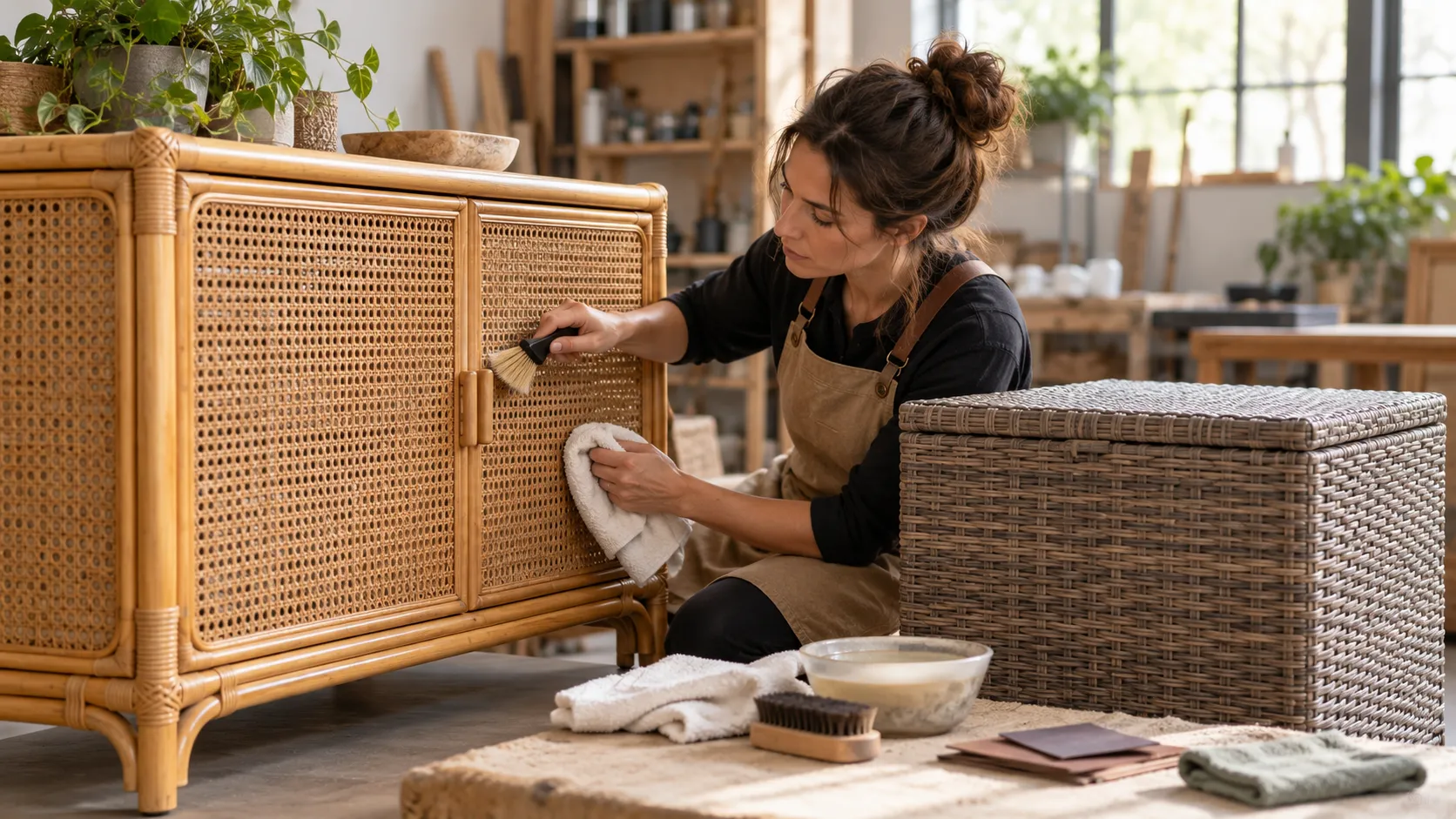
Turn the chair over and gently remove dust with a soft brush or cloth. Check for splits, broken fibers, and loose edges before applying water.

If several strands are damaged, arrange reweaving instead of attempting to tighten them.

2. Lightly Dampen the Cane

Where the furniture’s care instructions permit, use a cloth or sponge dampened with warm water to moisten the underside evenly.

Avoid soaking the seat or wetting wooden joints, adhesives, and surrounding finishes. The aim is controlled moisture, not saturation.

3. Let the Seat Dry Completely

Leave the chair in a well-ventilated indoor area without using it. Drying may take 24 hours or longer, depending on humidity and airflow.

The cane may regain some tension as it dries. Once fully dry, check gently for improved firmness. Repeated or substantial sagging needs further inspection.

How to Fix a Sagging Synthetic Rattan Seat

Water will not tighten synthetic wicker in the same way as natural cane. Focus on the weave attachments and supporting structure.

1. Check the Frame and Attachments

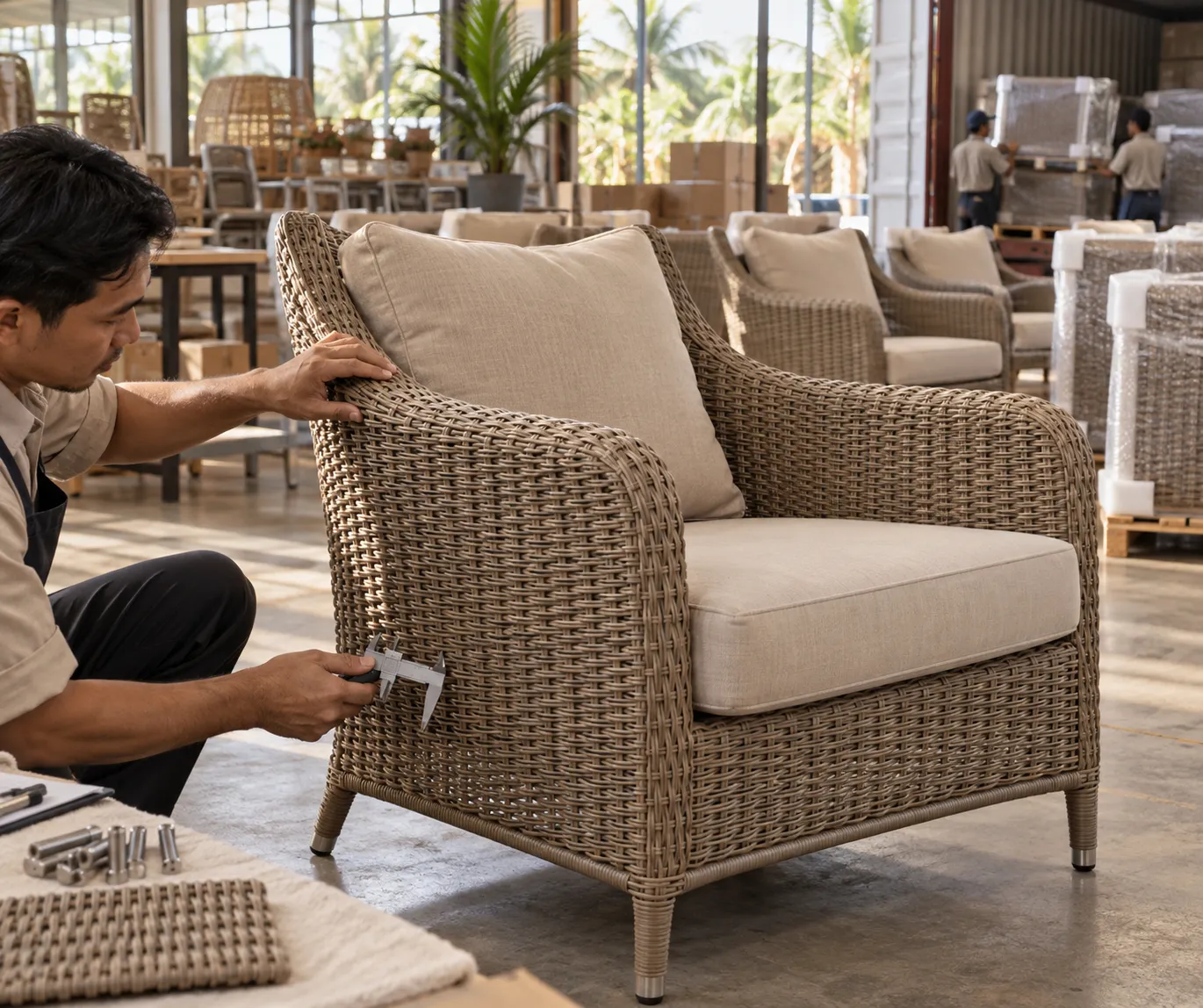
Inspect the underside for loose weave ends, damaged webbing, missing fasteners, bent supports, or cracked welds.

Repair structural damage before addressing the woven surface. Tightening strands cannot compensate for a weakened frame.

2. Secure Loose Strands

Return loose ends to their original position using an attachment method compatible with the chair’s construction.

Use suitable fasteners or an adhesive specifically compatible with both materials. Do not assume ordinary wood glue will bond synthetic wicker.

3. Restore Under-Seat Support

When intact strands have stretched permanently, properly fitted furniture webbing or support straps may help distribute the seating load.

The frame must support the attachments securely. Keep drainage and folding mechanisms clear, and seek professional repair if suitable fixing points are uncertain.

Avoid heat unless the manufacturer provides repair instructions. Excessive heat can distort synthetic strands, and warming does not reliably reverse permanent stretching.

When Does a Rattan Seat Need Reweaving?

Consider replacing the weave when strands are broken, brittle, split, or pulling away from the frame. Extensive stretching also makes local repairs less dependable.

After any repair, check attachments and apply gentle hand pressure before use. Stop if strands shift, joints separate, or the frame moves unexpectedly.

Conclusion

Fixing a sagging rattan chair seat starts with identifying the material and the cause. Minor looseness in intact natural cane may respond to careful dampening, while synthetic wicker often needs attachment repairs or additional support. Damaged weaving requires replacement.

Planning to replace worn seating for your hotel, restaurant, or furniture business? Explore Rattan Tradeasia and share your product preferences, quantities, and intended use to discuss your sourcing requirements.

Stay Inspired

Subcribe to our insight newsletter and be the first to receive the latest article and news updates form Tradeasia

Need help or product quote?👋 Chat with Assistant!