Rattan Guide | September 21, 2026
How to Fix a Sagging or Loose Rattan Chair Seat
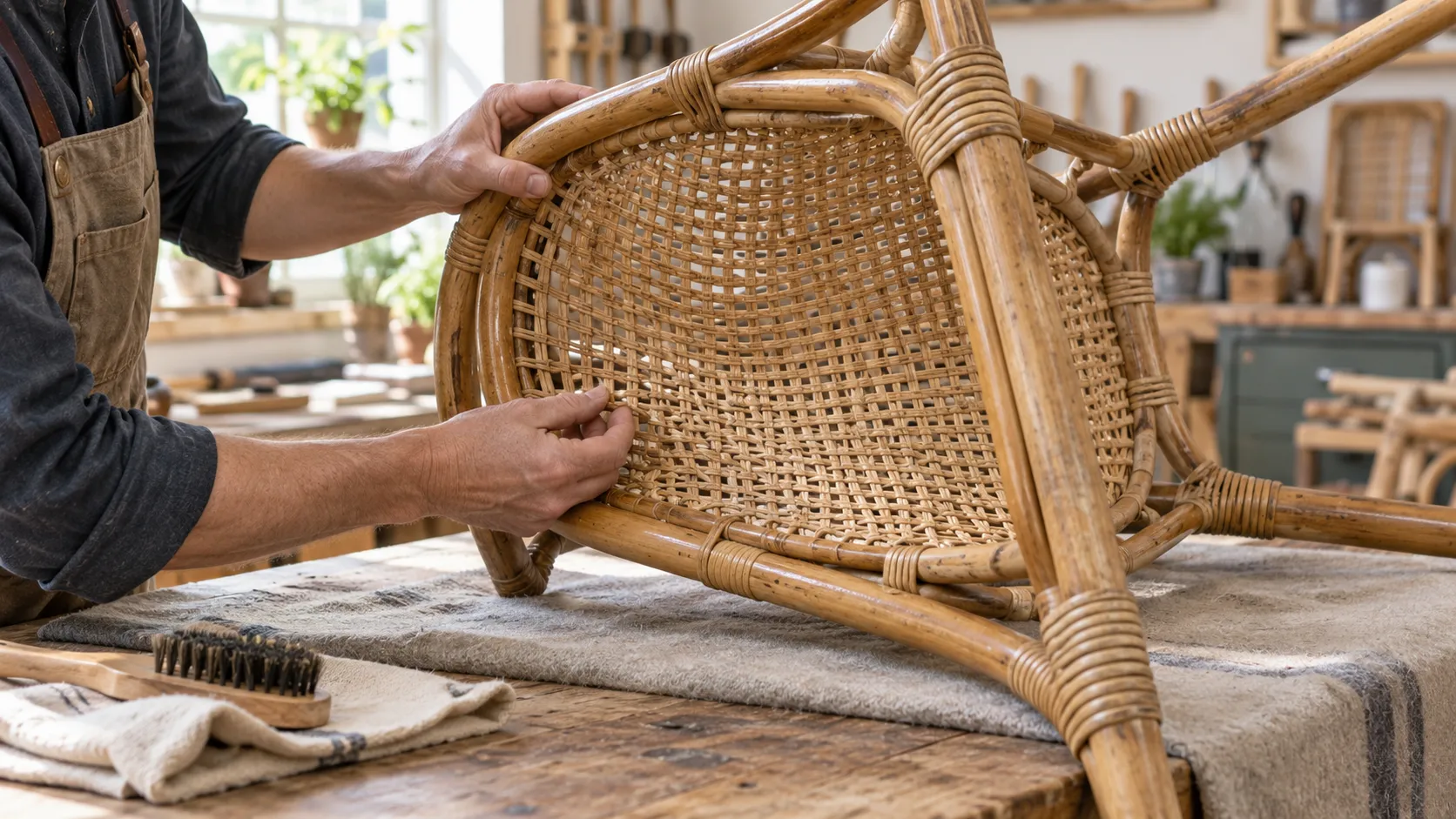
Controlled dampening may help tighten an intact natural cane seat with minor sagging. It will not repair broken strands or failing attachment points.
See Details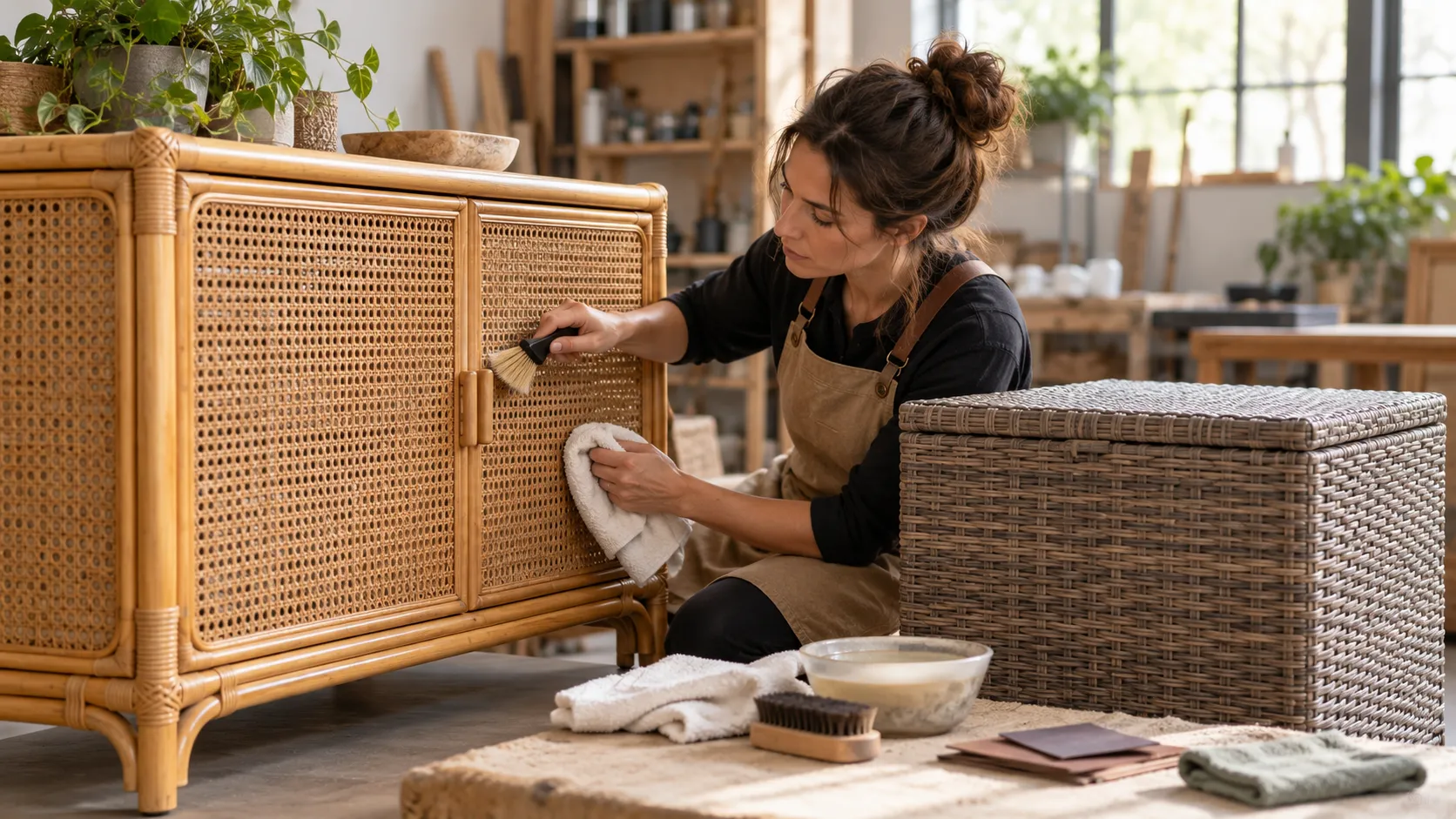
Natural rattan is a plant-based material, and prolonged sunlight can gradually dry the surface, lighten its color, and make exposed fibers feel rough. Restoration should be gentle because the same fibers you are trying to improve can also be weakened by excessive water, sanding, or an incompatible finish.
Start by cleaning the furniture with a soft cloth or brush and a mild soap solution. Work into the woven areas without soaking the furniture, then allow it to dry completely in a shaded, well-ventilated place. Cleaning alone can make a noticeable difference because dust, residue, and accumulated grime often make faded rattan look duller than it actually is.
Once dry, inspect the surface again. Small raised fibers or lightly splintered areas can sometimes be smoothed with very fine sandpaper, but the goal is only to remove roughness, not to aggressively sand the cane. Be especially careful around thin woven strands, joints, and bindings, where removing too much material can weaken the construction.
If the color is still uneven or noticeably faded, the next step depends on the existing finish. Some natural rattan is stained, lacquered, painted, or otherwise sealed, so applying oil or stain without knowing what is already on the surface can produce blotching or poor adhesion. Test any conditioning, staining, or refinishing product on an inconspicuous area first and follow the product manufacturer's compatibility instructions.
A typical restoration sequence may include:
A clear finish can provide additional surface protection, but it does not turn natural rattan into fully outdoor furniture. Natural rattan is still better suited to indoor or well-protected covered environments where direct sun and repeated rainfall are limited.
If you use a drying oil such as linseed oil as part of a compatible finishing system, handle the used cloths carefully. Oil-soaked rags can heat as the oil oxidizes and have a documented spontaneous-ignition risk; NFPA advises against leaving them piled together and provides specific drying and disposal precautions.
Synthetic rattan needs a different approach because materials such as polyethylene, polypropylene, and PVC do not respond to wood oils or stains in the way natural fibers do.
Start with cleaning. Use mild soap, water, and a soft brush to remove dirt from the strands and the spaces between them, then rinse and allow the furniture to dry completely. Do this before assuming the color itself has failed, because mineral residue, dirt, and surface contamination can sometimes create a faded or chalky appearance.
Once clean, inspect the strands by gently flexing several areas. If they remain flexible and the problem is mainly discoloration, refinishing may be possible. If strands have become brittle, cracked, or easy to snap, painting them will only disguise the problem temporarily; it will not restore their structural strength.
For synthetic rattan that is still structurally sound, a plastic-compatible coating can sometimes refresh the appearance. Surface preparation matters, and not every coating bonds equally well to every polymer. Polyethylene surfaces in particular can be difficult to coat, and even plastic-paint manufacturers recommend testing adhesion on a hidden area first.
If refinishing is appropriate:
Several light coats generally produce more even coverage on furniture than one heavy application, and coating manufacturers similarly emphasize proper cleaning, preparation, and light applications for plastic and outdoor furniture.
Be cautious about adding a separate clear UV coating afterward. If additional protection is needed, use a topcoat that is explicitly compatible with the paint and underlying material. Combining unrelated coating systems can create adhesion or finish problems rather than improving durability.
Not every sun-damaged chair is worth refinishing.
With natural rattan, look beyond the color and inspect the areas carrying weight. Multiple broken strands, splitting around joints, loose bindings, or cracks in structural poles indicate a repair problem rather than a finishing problem.
With synthetic rattan, brittleness is the key warning sign. If strands crack during gentle flexing, have begun breaking around the seat or arms, or are separating from the frame, a new surface coating will not reverse the underlying polymer degradation.
Before investing time in restoration, check:
This distinction matters even more for hospitality furniture. A refinished chair may look acceptable again, but guest-facing furniture also needs to remain safe, consistent, and maintainable across multiple units.
Preventing the next round of fading is equally important. Keep natural rattan away from continuous direct sun and rain where possible, clean both natural and synthetic furniture regularly, and use covers, shade, or sheltered storage when outdoor pieces are not needed for extended periods.
The right way to restore faded or sun-damaged rattan starts with identifying whether the furniture is natural or synthetic and determining whether the damage is cosmetic or structural. Natural rattan can often be improved through careful cleaning, minor surface smoothing, compatible recoloring, and refinishing, while synthetic rattan may be cleaned and recoated only if the polymer remains flexible and the selected coating can bond properly. Once strands become brittle, cracked, or structurally weak, replacing the damaged weave or the furniture itself is usually more reliable than hiding the deterioration under a new finish.
If restoration is no longer practical, Rattan Tradeasia offers a curated selection of natural and synthetic rattan furniture sourced from verified suppliers for indoor, covered, and outdoor use. Buyers can compare replacement options, shortlist multiple products, and submit them in one RFQ with quantities, destination, Incoterm, preferred materials, colors, and project requirements, making it easier to replace aging furniture with a construction better suited to the conditions that caused the original damage.
Rattan Guide | September 21, 2026
Controlled dampening may help tighten an intact natural cane seat with minor sagging. It will not repair broken strands or failing attachment points.
See Details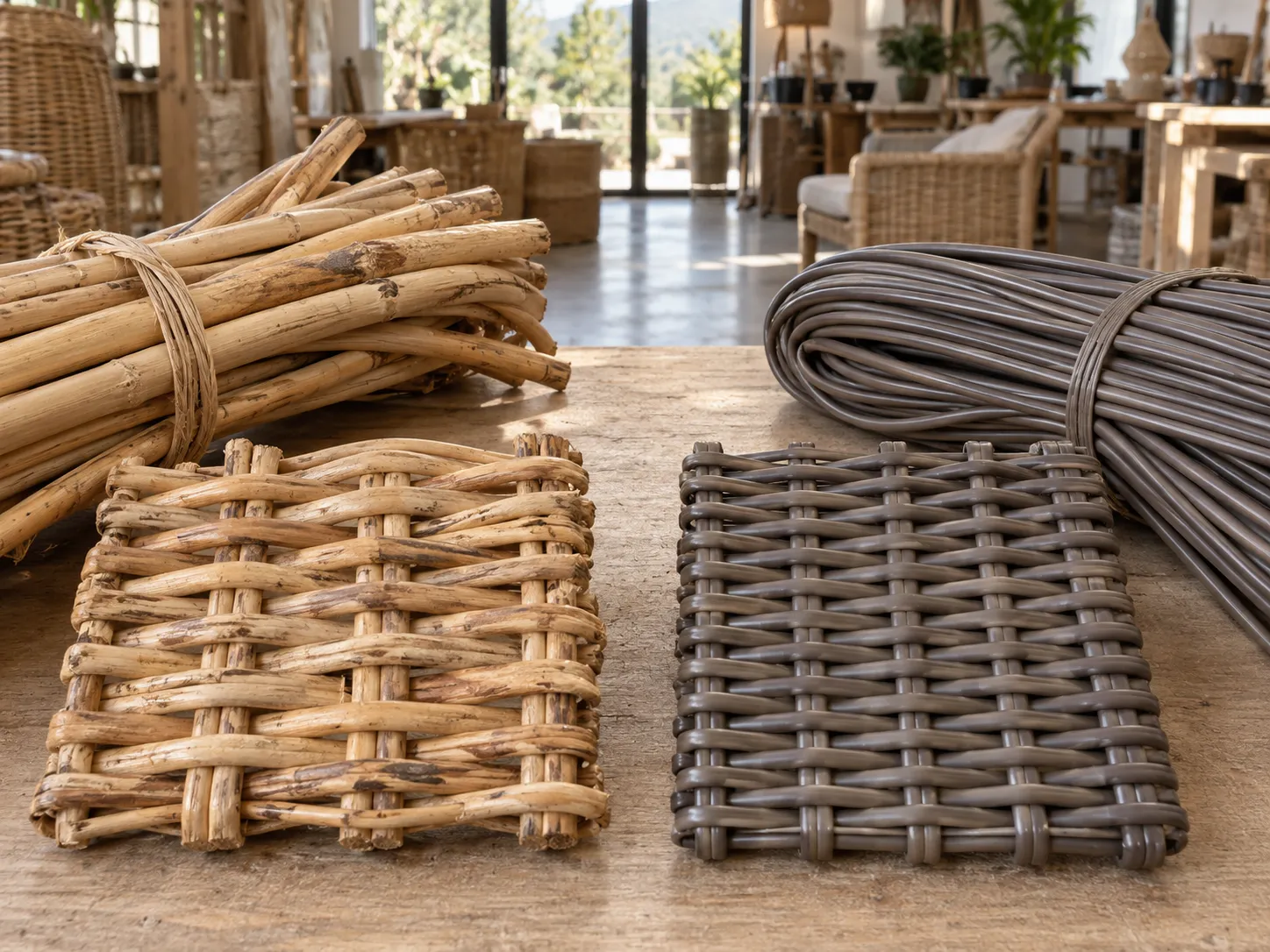
Rattan Guide | September 18, 2026
Natural rattan usually shows subtle differences in color, diameter, fiber structure, and surface appearance. You may also notice growth marks, nodes, or small irregularities because the material comes from a natural climbing palm.
See Details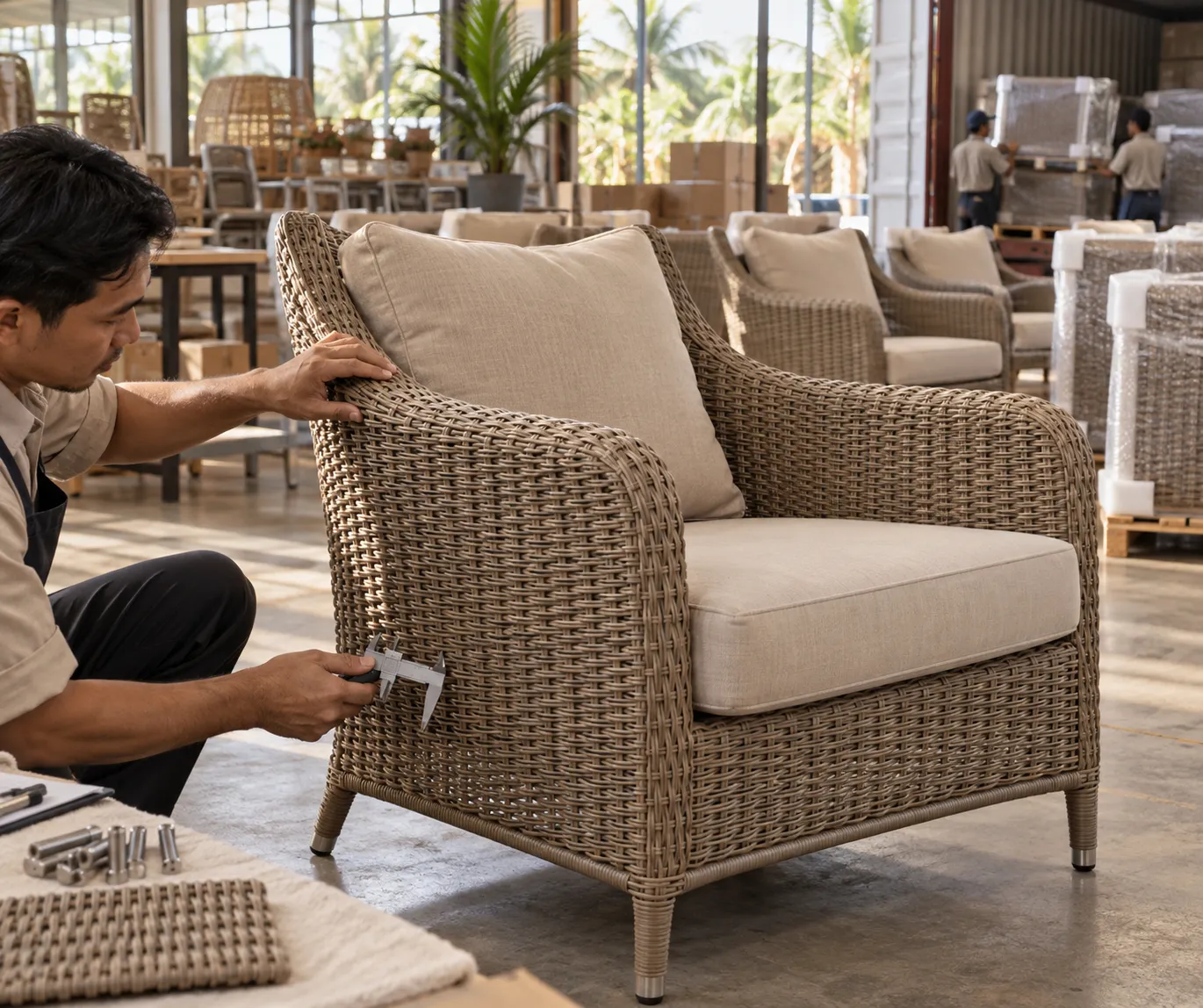
Rattan Guide | September 16, 2026
Wholesale rattan furniture can look impressive in a catalog or showroom, but appearance alone does not reveal how well it will perform after months of commercial use.
See DetailsSubcribe to our insight newsletter and be the first to receive the latest article and news updates form Tradeasia